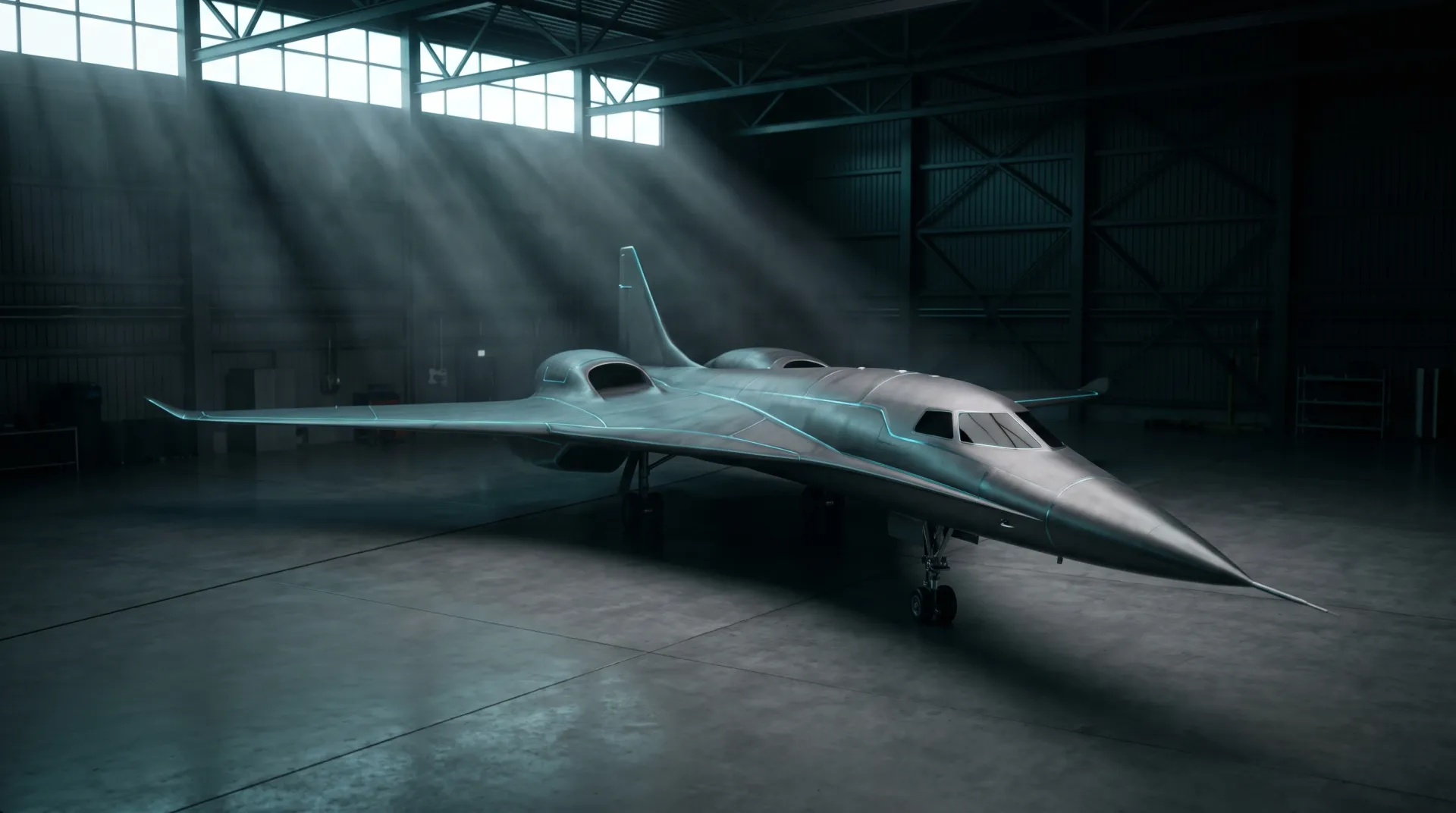
Staged high-speed aerospace programme
Prove the hardest physics first.
The aircraft comes after.
Sur Aerospace is building the propulsion, thermal, controls, and demonstrator stack required for an eventual 6-seat supersonic aircraft. The near-term company is not “build the finished jet now” — it is a disciplined demonstrator and propulsion-validation programme.
Stated precisely: what exists today is a working technical prototype stack — modelling, architecture, demonstrator logic, and a staged roadmap. It is not a flying aircraft prototype, and there is no flight hardware. This round funds the transition into physical demonstrator proof.
- Programme stage
- Technical architecture
- Flight hardware
- None to date
- Long-term vehicle
- 6-seat supersonic
- Current round
- $3M close-network
01 — Current proof
What actually exists today
We are past the idea-only stage and well short of a flight article. The honest description of the company sits between those two, and the distinction is the whole point.
What we are not claiming
02 — The propulsion core
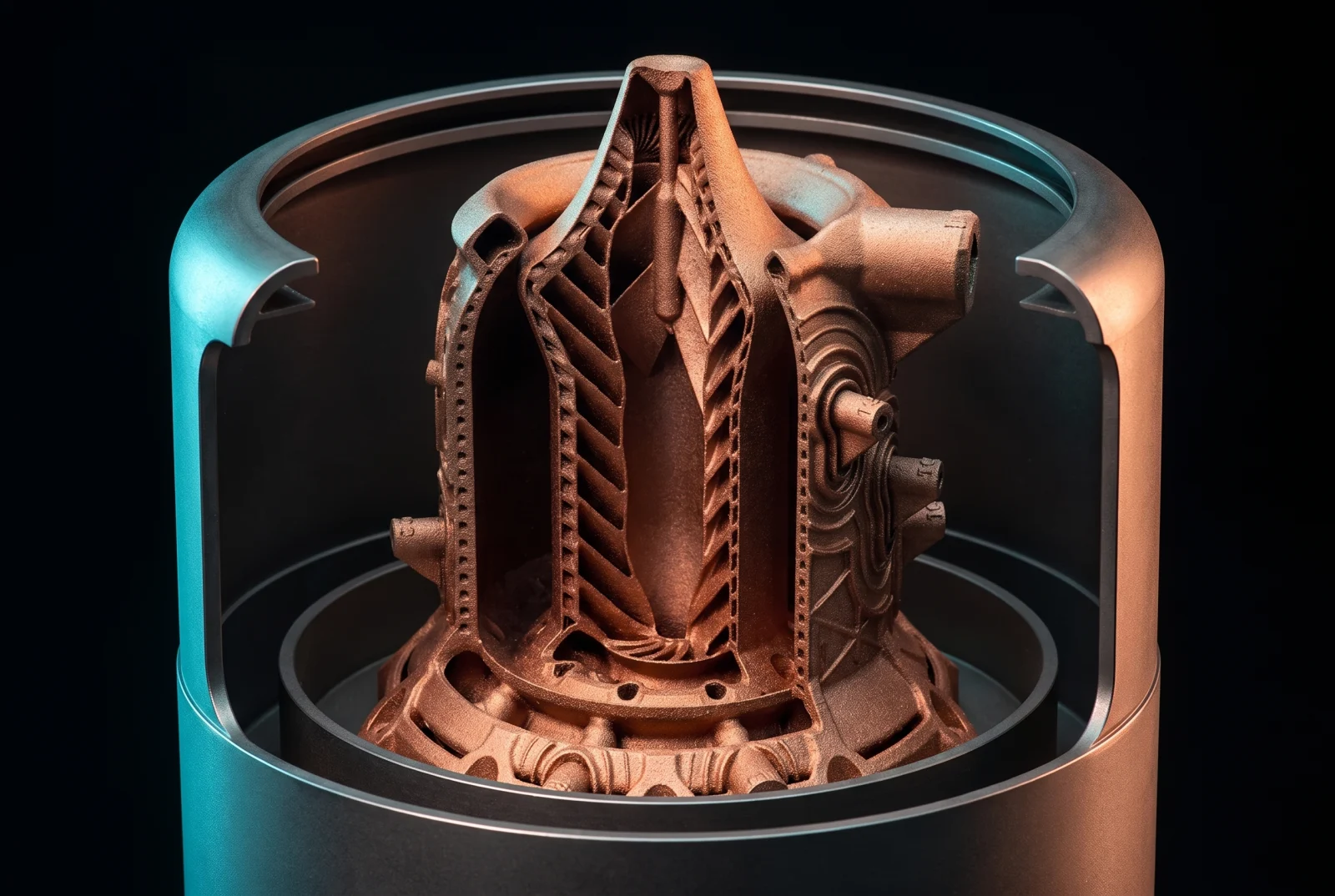
One printed flowpath, from a standstill to Mach 3
A single annular channel runs as an altitude-compensating aerospike rocket at lift-off, then hands the same duct to an air-breathing ramjet as speed builds. Scrub the flight below to watch the mode transition — and the engineering that makes one channel do both jobs.
- Altitude
- 0.0 km
- Dyn. pressure
- 0 kPa
- Effective Isp
- High
- Thrust
- Building
- Gas-side wall
- Within limits
Qualitative design behaviour, from our engineering model — not measured flight or hot-fire data. Specific performance figures are withheld pending export-control review and shared with reviewers under NDA.
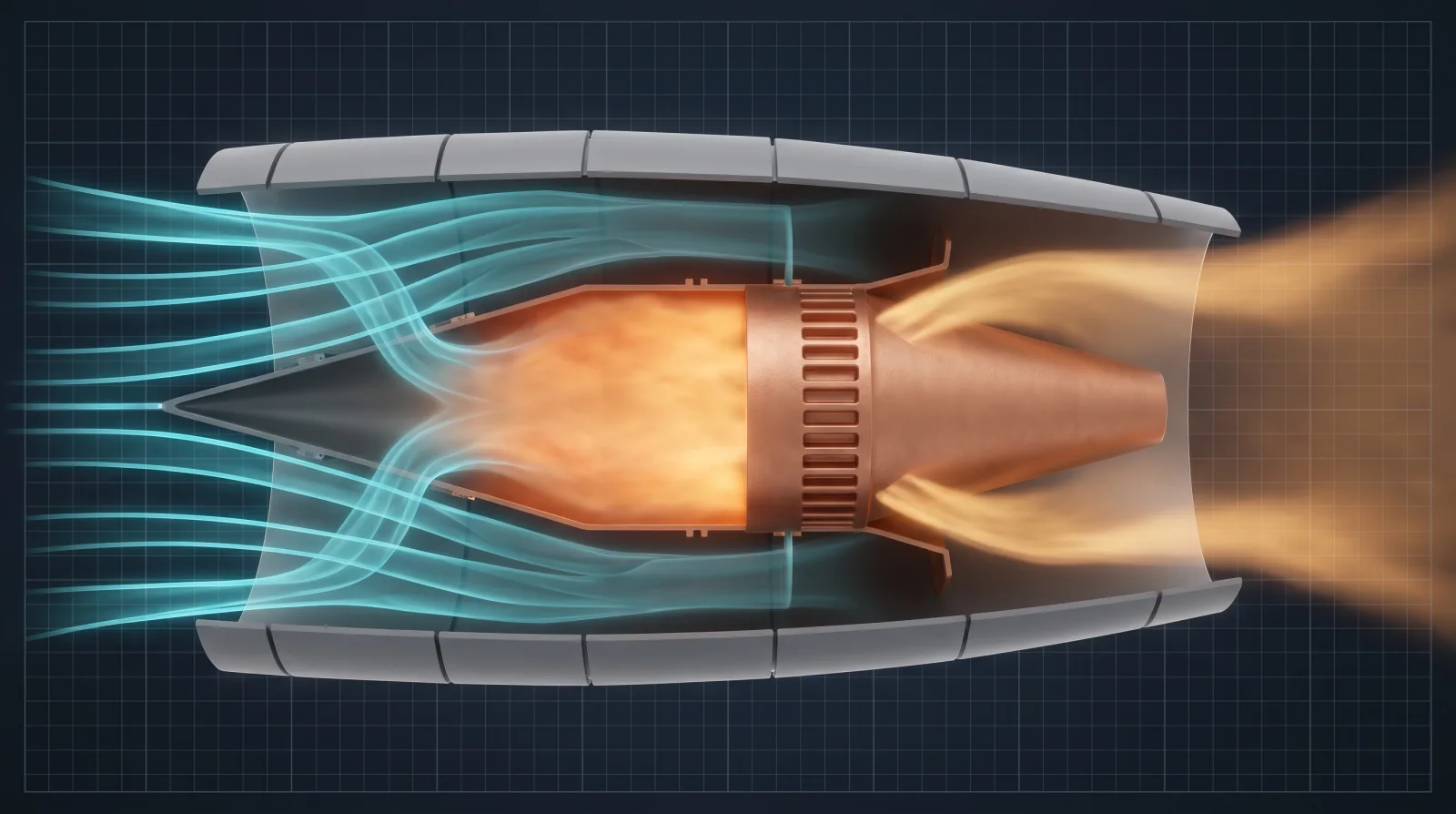
The engineering behind it
Design approach at a glance
03 — Why this team
Why we can actually build this
The differentiator in deep tech is not a slide — it is a working method and a record of catching your own mistakes. Ours is a build-first, physics-rooted programme that has already turned specifications into printable, thermally survivable hardware inside the model.
04 — Programme roadmap
Five phases, each gated on evidence
Most supersonic efforts fail by financing the end-state aircraft too early. This programme inverts that: each phase buys one specific technical result, and the gate must be passed before the next phase is funded.
05 — Risk register
The seven risks that decide this programme
Presented as a register rather than a reassurance. Each entry names a real failure mode, the mitigation actually being applied, and the gate that must be passed before capital moves forward.
Expand any row for exposure, mitigation, and gate.
06 — Strategic fit
Why the UAE
The intended structure pairs a US-based technical and flight-test programme with UAE strategic capital, partnerships, and R&D presence — each jurisdiction doing what it is genuinely best at.
07 — Why funding now
From analytical proof to physical proof
This round exists for one transition: converting a working technical prototype stack into physical demonstrator proof. That is the point where the programme stops being an argument and starts being evidence.
Where a $3M round goes, directionally
Indicative weightings, not a committed budget. Precise allocation will be set with the first senior technical hires and is expected to shift as bench work is scoped.
What this round should produce: a sharper company wedge, named senior technical leadership, a defined and costed bench-test programme, first physical demonstrator progress, and a technical record substantial enough to support a larger outside round on evidence rather than narrative.
08 — Optionality
Dual-use, stated carefully
Sur is a high-speed aerospace and demonstrator company with dual-use optionality. It is not a weapons company, and it is not being rebranded into one.
The same capabilities that a civil programme needs first — high-speed propulsion, thermal management, autonomous flight test, telemetry, and uncrewed platform operation — are capabilities defence and government buyers already value. That overlap is genuine, and pretending otherwise would be less honest than naming it.
Practically, it means the programme’s early milestones are legible to more than one kind of funder. A propulsion demonstrator, an autonomous high-speed test platform, or a special-mission testbed can carry value years before civil certification is a realistic conversation. That is optionality, and it lengthens the company’s survivable runway.
09 — The impact
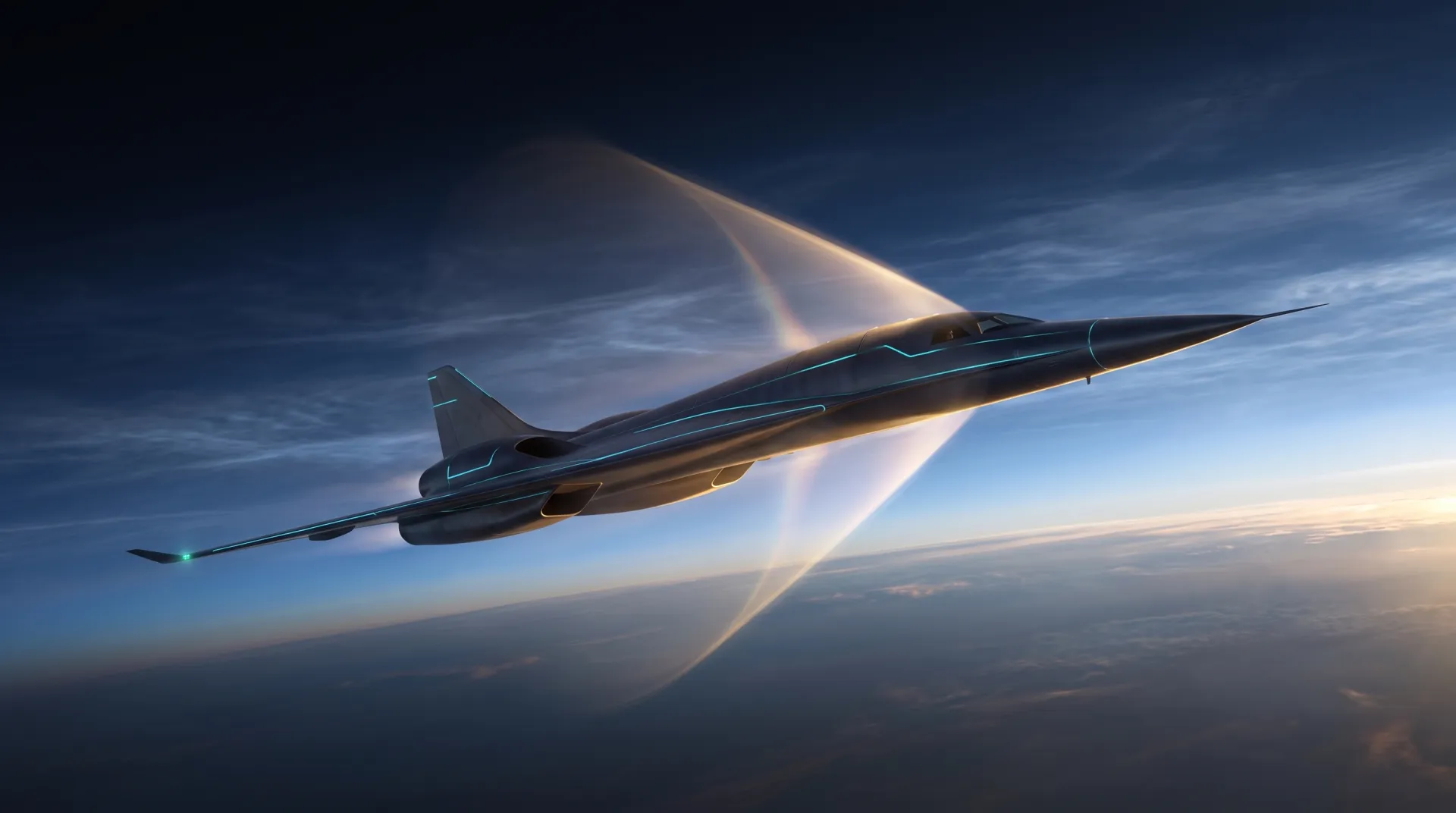
Why this matters if it works
The prize is not a single engine. It is reopening high-speed civil flight with a propulsion platform — and a way of designing hardware — that is faster and cheaper to iterate than anything the field has had.
10 — Contact
Request the memo
For aligned early backers who understand long-horizon deep tech. Tell us briefly who you are and what you would want to diligence, and we will send the written memo and staged roadmap.